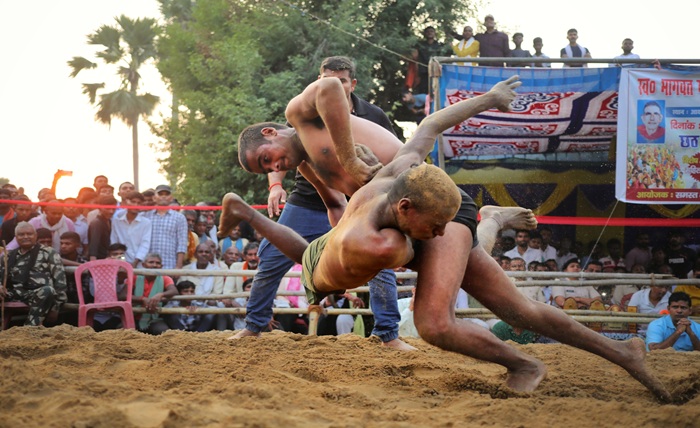
Mohammadreza Shadloui has become an example of how the role of the all-rounder is changing in kabaddi. He is known primarily for his defensive work, but his ability to contribute in raids gives a team options that a specialist cannot provide. Modern kabaddi increasingly rewards players who can solve more than one tactical problem, especially when substitutions, score situations and the number of players on court change the structure of a match.
Versatility matters because kabaddi can shift from defence to attack within seconds. A player may need to stop a lead raider in one possession and then contribute points when his own team has limited attacking options. This constant change can seem similar to the shifting scenarios associated with an adventures beyond wonderland app, but Shadloui’s value comes from preparation rather than unpredictability. His range of skills gives coaches more ways to respond when the match changes.
Defence Remains the Foundation of His Game
Shadloui’s versatility begins with his ability as a defender.
Operating from the corner requires judgment because a failed tackle can open a direct route toward the midline. The defender must decide when the raider has moved far enough to make an attack worthwhile.
Shadloui combines timing with physical control.
When he attacks the lower body, his objective is not simply to make contact. He needs to stop the raider’s momentum long enough for teammates to join the tackle.
That makes grip, body position and follow-through important.
His defensive value therefore comes from completing the sequence rather than producing the first contact alone.
The Ankle Hold Creates a Constant Threat
The ankle hold is one of the main tools available to a corner defender.
Shadloui can use it to punish a raider who places too much weight on one foot or moves too deep into his zone.
Timing determines whether the technique succeeds.
An early attempt gives the raider time to withdraw the leg. A late attempt allows the attacker to move beyond effective tackling distance.
The threat of the ankle hold also produces value when no tackle occurs.
Raiders aware of Shadloui’s ability may avoid approaching his corner or alter their footwork.
That can make their movements more predictable for the rest of the defence.
In this sense, a defender can influence the raid without recording a tackle.
Raiding Ability Changes Team Selection
A specialist defender contributes primarily during opposition raids.
An all-rounder creates value on both sides of possession.
Shadloui’s ability to enter as a raider means coaches have another option when the main attackers are unavailable, resting or facing an unfavorable defensive setup.
He does not need to become the team’s primary scorer for this ability to matter.
Even occasional successful raids can reduce dependence on one or two players.
This becomes particularly useful when a lead raider has been tackled and is temporarily out of play.
Instead of accepting a decline in attacking threat, the team can use an all-rounder to maintain pressure until its primary option returns.
Versatility Helps During Reduced-Player Situations
Kabaddi formations change significantly when players are eliminated.
A seven-player defence operates differently from a unit with three or four defenders.
The same is true in attack.
A team with fewer available players may need someone to perform a role that is not normally his main responsibility.
This is where versatility becomes tactically valuable.
Shadloui can remain useful when the structure of the team changes because his contribution is not limited to one narrow task.
He can defend from a key position, support another tackler or provide a raiding option.
The coach therefore has fewer positional problems to solve during unstable phases of the match.
Modern Kabaddi Rewards Tactical Flexibility
Teams increasingly prepare for specific opponents rather than relying on one fixed system.
A raider with strong escape ability may require one defensive approach, while another who depends on hand touches may demand different spacing.
Versatile players make these adjustments easier.
Shadloui can contribute within several tactical plans because his physical and technical abilities are useful in more than one situation.
This reduces the need for constant substitutions.
Keeping a flexible player on court can also preserve continuity.
The defensive unit remains familiar with its spacing and communication while still having the ability to change how it responds to a particular opponent.
All-Rounders Create Roster Efficiency
Team construction involves limited places and competing tactical needs.
A squad requires lead raiders, secondary raiders, corners, covers and players capable of supporting different formations.
An all-rounder can cover more than one requirement.
This does not mean specialists are becoming unnecessary.
A player who performs one role at an exceptional level remains valuable.
The advantage of someone like Shadloui is that his primary strength does not prevent him from providing additional solutions.
That increases roster efficiency.
A coach can select another specialist elsewhere because one position already contains a player capable of handling several responsibilities.
Defensive Skill Can Improve Raiding Decisions
There is also a relationship between understanding defence and becoming a more useful raider.
A defender knows what makes a tackle attractive.
He understands how corners evaluate distance and how support defenders react when the first contact begins.
That knowledge can help when roles are reversed.
Shadloui can approach a defence with an understanding of what the opponent wants him to do.
He may recognize when moving deeper would trigger an ankle hold or when a gap is designed to lead into a block.
Defensive experience does not automatically create elite raiding skill, but it can improve tactical awareness during attacking possessions.
Versatility Reduces Predictability
Specialists can sometimes reveal a team’s intention simply by entering the court or taking a specific position.
A versatile player makes those signals less clear.
When Shadloui is available, the opposition cannot assume his contribution will be limited to defence.
That uncertainty creates additional preparation requirements.
Opponents must account for his tackling ability while also understanding how he might be used in attack.
The effect may seem small during one possession, but across a match it increases the number of situations the opposition must prepare for.
Why Players Like Shadloui Matter More
Mohammadreza Shadloui represents a broader tactical direction in kabaddi.
Teams still need specialists, but modern match management rewards players who can remain useful as circumstances change.
His defensive timing, tackling ability and capacity to contribute in raids allow coaches to solve several problems with one selection.
That flexibility becomes valuable when players are eliminated, formations change or the match requires an unexpected adjustment.
The importance of the all-rounder is therefore not based on performing every role equally well.
It comes from maintaining one primary strength while offering credible alternatives.
Shadloui demonstrates why this profile is increasingly valuable: the more roles a player can perform without weakening the team, the more tactical choices the team can preserve throughout the match.