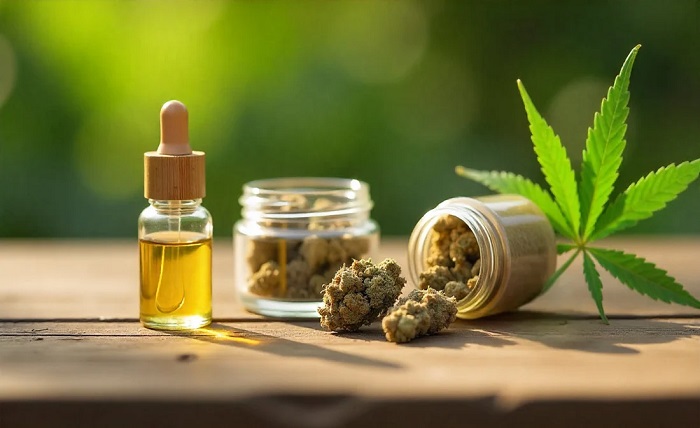
Interest in CBD has grown enormously over the past decade. Cannabidiol now appears in oils, cosmetics, drinks and wellness routines, and searches for it climb every year. Yet for all that attention, the quality of CBD information online remains uneven. For anyone trying to understand what CBD actually is, the gap between marketing and clear explanation can be frustrating.
That gap is exactly why well-organised, honest educational resources matter. Consumers do not just need more content about CBD, they need content that explains the basics plainly, sets realistic expectations, and is upfront about what is still unknown. The CBD section of the Cannapot Canna Wiki is a useful example of that kind of resource, and it offers a helpful lens for thinking about what good CBD information should look like.
Why clear CBD information matters
CBD sits in a tricky spot. It comes from the cannabis plant, which carries decades of assumptions, and it is often confused with THC, the compound responsible for the cannabis “high.” One of the first jobs of any good CBD resource is simply to separate the two.
Unlike THC, CBD is generally considered non-intoxicating. People explore it for very different reasons than they would THC, and understanding that distinction is the foundation for everything else. When a resource makes the CBD versus THC difference clear from the start, readers can approach the rest of the topic with realistic expectations rather than borrowed myths.
Good education explains the basics without the hype
A recurring problem in the CBD space is overpromising. Plenty of content leans on bold claims and glossy language while skipping the fundamentals. Stronger resources do the opposite: they explain what CBD is, how it is commonly used, and what the current evidence does and does not support, all in plain language.
The Cannapot CBD seeds guide and its wider CBD wiki take this measured approach, walking through cannabidiol, CBD oil, dosage and the CBD versus THC distinction without unnecessary jargon or unrealistic promises. That restraint is a feature, not a shortcoming. Information a reader can trust is far more useful than information designed only to sell.
Honest information includes the caveats
One sign of a trustworthy CBD resource is that it talks openly about limits and risks, not only benefits.
Responsible material acknowledges that research into CBD is still developing, that results across studies vary, and that CBD is not a replacement for medical care or prescribed treatment. It also covers the practical realities: possible side effects, and the fact that CBD can interact with certain medications. A resource that raises these points is not undermining CBD, it is treating the reader as an adult who deserves the full picture. Anyone considering CBD, particularly alongside existing medication, should speak with a qualified healthcare professional first.
Dosage clarity is often missing, and important
Dosage is one of the most confusing parts of CBD for newcomers, and it is a good test of whether a resource is actually helpful.
Product labels often lead with percentages, such as 5%, 10% or 20%. On their own, those figures describe concentration, not the actual amount consumed. A clearer approach expresses CBD in milligrams, because that is what tells a person how much they are really taking. When a resource explains this distinction, it saves readers from a common and understandable mistake.
Where genetics come in
For readers who are curious about CBD-rich cannabis at the plant level, genetics matter more than a single number. Two CBD strains with similar cannabidiol content can feel quite different because of their terpene profiles, the compounds behind a plant’s citrusy, earthy, floral or fruity character.
Good educational content makes this clear, steering people away from the idea that a higher CBD percentage is automatically “better” and towards a fuller understanding of what shapes a strain. That is a more honest and more useful way to frame the subject.
Why organisation makes a difference
Beyond accuracy, structure matters. A CBD topic scattered across disconnected pages is hard to navigate, while a resource grouped into clear categories, effects, dosage, side effects, interactions and genetics, lets a reader move through the subject logically.
This is where a well-organised wiki earns its keep. Someone can start with the basics, then follow related questions in a natural order rather than piecing together fragments from a dozen sources. For a subject as widely misunderstood as CBD, that kind of structure is not a luxury. It is part of what makes the information actually usable.
What a trustworthy CBD resource looks like
Pulling these threads together, a few markers separate helpful CBD information from noise. Look for content that explains CBD and THC clearly, uses plain language over hype, expresses dosage in milligrams rather than percentages alone, is honest about limited research and possible risks, and is organised well enough to actually navigate.
Those same standards apply whether you are reading a clinic’s article, a manufacturer’s page or an educational wiki. The source matters less than the honesty and clarity of what it offers.
The takeaway
CBD is likely to stay in the spotlight for years to come, and the volume of information about it will only grow. That makes the quality of that information more important, not less. Clear explanations, realistic expectations and honest caveats are what turn curiosity into understanding.
Resources like the Cannapot CBD seeds guide show what that can look like in practice: a plain-language introduction that respects the reader enough to tell them what is known, what is not, and where to be careful. For anyone beginning to explore CBD, that is a far better starting point than hype.
Frequently asked questions
What is CBD? CBD, or cannabidiol, is a natural compound found in the cannabis plant. Unlike THC, it is generally considered non-intoxicating, meaning it does not produce the cannabis “high.”
How is CBD different from THC? Both are cannabinoids from the same plant, but THC is intoxicating while CBD is not. They are studied and used for different reasons, which is why understanding the distinction matters.
Is CBD measured in percentages or milligrams? Percentages describe a product’s concentration, but milligrams tell you how much CBD you are actually taking. Clear resources express dosage in milligrams for that reason.
Can CBD interact with medications? Yes. CBD can affect how certain medications are processed in the body, so anyone taking prescription medicine should consult a healthcare professional before using CBD.
Where can I learn more about CBD? Well-organised educational resources, such as the Cannapot Canna Wiki’s CBD section, explain the basics, dosage, effects and the CBD versus THC difference in plain language.