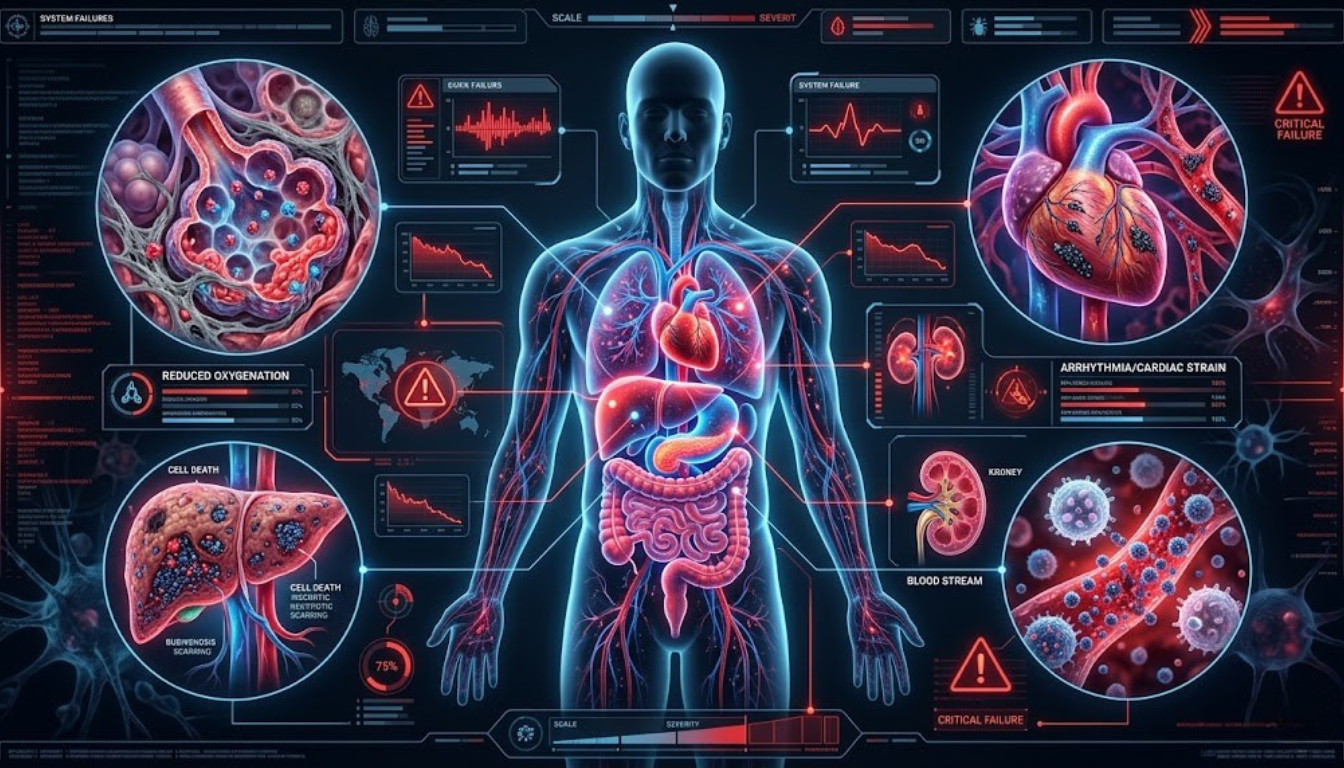
Most people have never heard of ozdikenosis. That makes sense. It is rare. It is quiet. And by the time most people notice something is wrong, the damage is already deep inside.So why does ozdikenosis kill you? The short answer is this: it breaks down your body from the inside. It starts at the cell level. Then it spreads. Then your organs stop working. One by one. That is the basic story. But the full picture is more detailed and more important. Let us go through it all step by step.
What Is Ozdikenosis?
Ozdikenosis is a rare metabolic and genetic disease. It was first identified in the early 1980s. A geneticist named Dr. Mehmet Ozdiken discovered it. The disease affects roughly 1 in every 500,000 people around the world.That sounds small. But for those living with it, the numbers do not matter. The disease does.Ozdikenosis is passed down through families. Both parents must carry the gene for a child to get it. It is what doctors call autosomal recessive. Most people who carry the gene never know it. Until a child is born with the condition.
The disease attacks the mitochondria. Those are the tiny parts inside your cells that make energy. Without energy, cells cannot work. Without working cells, organs cannot do their jobs. And without working organs, the body shuts down.That is why does ozdikenosis kill you. It cuts off the power supply to your entire body.
How Does It Start?
The disease does not hit you like a truck. It creeps in slowly. That is what makes it so dangerous.In the early months, you feel tired. Really tired. The kind of tired that sleep does not fix. You might feel weak. A little confused. Maybe short of breath doing simple things.Most people brush this off. They think it is stress. Or a bad diet. Or not sleeping enough. So they wait. And while they wait, the disease keeps moving.
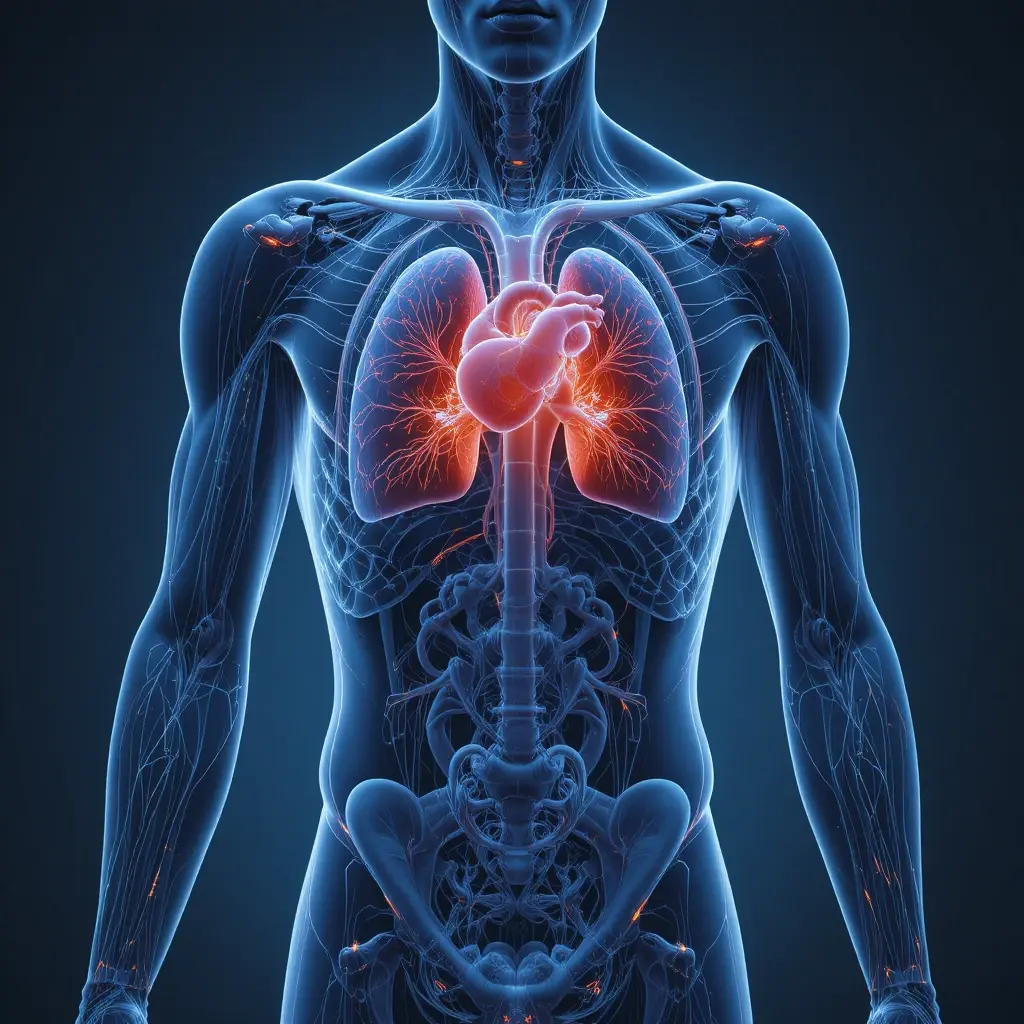
Here is how the stages break down:
| Stage | Timeline | What Happens | Organ Function |
|---|---|---|---|
| Early Stage | Months 1 to 6 | Mild fatigue, subtle energy loss | 80 to 90 percent |
| Progressive Stage | Months 6 to 12 | Heart and breathing problems begin | 60 to 70 percent |
| Advanced Stage | Months 12 to 24 | Multiple organs under serious stress | 40 to 50 percent |
| Terminal Stage | 24 months and beyond | Organs near shutdown, coma possible | Below 30 percent |
Without treatment, most patients live only 24 to 36 months from the time symptoms start. That is a short window. Which is why catching it early matters so much.
Why Does Ozdikenosis Kill You at the Cell Level?
To really understand why does ozdikenosis kill you, you need to picture what happens inside a single cell.Your cells need energy to do everything. Move. Repair. Signal other cells. Fight off threats. The mitochondria inside each cell produce that energy. They work like tiny power plants.Ozdikenosis breaks those power plants. The mitochondria stop working right. They cannot make enough energy. The cell starts to starve. A starving cell cannot do its job. It gets damaged. It dies.
Now multiply that by billions of cells across your body. In your heart. Your kidneys. Your brain. Your lungs. When enough cells die, the whole organ starts to fail.That is the core reason why does ozdikenosis kill you. It is not one big event. It is a slow collapse of billions of tiny parts all at once.
What Happens to Your Heart?
The heart is a muscle. It beats around 100,000 times a day. That takes a lot of energy. So when mitochondria stop working, the heart feels it fast.As ozdikenosis progresses, the heart muscle weakens. It cannot pump blood the way it should. Blood pressure drops. Organs do not get enough oxygen. The body tries to compensate. But it can only do that for so long.In advanced stages, heart failure becomes a real risk. The heart just cannot keep up anymore. This is one of the leading causes of death in ozdikenosis patients.
What Happens to Your Kidneys?
Your kidneys filter your blood. Healthy kidneys process about 200 liters of blood every single day. That is a massive job. And it requires steady energy from mitochondria.When ozdikenosis hits the kidneys, filtration slows down. Toxins that should leave the body start building up in the blood instead. This leads to jaundice. The skin turns yellow. Fatigue gets worse. Mental confusion increases.
Kidney failure is one more answer to why does ozdikenosis kill you. When kidneys stop working, the blood becomes toxic. The body cannot clean itself. That is fatal.
What Happens to Your Brain?
This part is especially hard to read about. But it is important.Your brain cells need constant energy. They cannot survive without it. When mitochondria fail, brain cells start to die. Not all at once. Gradually.
First comes memory loss. Then confusion. Then tremors. Then seizures. Patients often say they feel like they are losing themselves slowly. The disease takes away not just health, but who a person is.This is one of the cruelest parts of why does ozdikenosis kill you. It strips away your mind before it takes your body.
What Happens to Your Lungs?
The lungs work hard too. They pull in oxygen and push out carbon dioxide. Millions of tiny air sacs called alveoli do this work. All of them need energy.In ozdikenosis, the lungs struggle. Oxygen exchange becomes less efficient. Patients feel short of breath even at rest. In late stages, the lungs cannot get enough oxygen into the blood to keep other organs alive.When the lungs fail, the rest of the body follows quickly.
Why Is Ozdikenosis So Hard to Catch Early?
Here is the frustrating truth. The early signs of ozdikenosis look like dozens of other things. Fatigue looks like depression. Brain fog looks like stress. Joint pain looks like arthritis. Shortness of breath looks like anxiety.Doctors often miss it. Not because they are bad doctors. But because the disease is so rare that most physicians never see a case in their whole career.
Many patients get told they have chronic fatigue syndrome. Or lupus. Or some other condition. They get treated for the wrong thing. The clock keeps running. The disease keeps progressing.This delay is another big reason why does ozdikenosis kill you so often. By the time the right diagnosis happens, too much damage is already done.
Who Is Most at Risk?
Ozdikenosis hits people in a few specific groups more than others.People with a family history of the disease are at higher risk. If both parents carry the gene, each child has a 25 percent chance of getting the condition.
The disease can affect people of any background. But some genetic communities have higher carrier rates than others. Newborn screening programs can catch it early in babies, which is the best time to start treatment.Adults who develop symptoms and have no known family history are harder to diagnose. This group often waits the longest before getting answers.
Can Anything Help?
Ozdikenosis has no cure right now. But treatments exist that can slow the disease and improve quality of life.
Some approaches that doctors use include:
- Mitochondrial support supplements like CoQ10 and B vitamins to help cells produce more energy
- Anti-inflammatory medications to reduce organ damage
- Nutritional therapy with specific diets that ease the burden on damaged cells
- Symptom management for heart, kidney, and brain complications
- Gene therapy research that is still in early stages but shows promise
The earlier treatment starts, the better. Catching ozdikenosis in Stage 1 gives patients a much longer and better life than catching it in Stage 3 or 4.Environmental changes also help. Reducing oxidative stress. Controlling body temperature. Eating foods that support cellular energy. None of these cure the disease. But they can slow it down.
What Does Dying From Ozdikenosis Actually Look Like?
This is uncomfortable. But people deserve honest answers to why does ozdikenosis kill you.In the final stage, multiple organs fail close together. The heart cannot pump. The kidneys cannot filter. The lungs cannot breathe. The brain loses function. The body cannot regulate temperature or blood pressure.
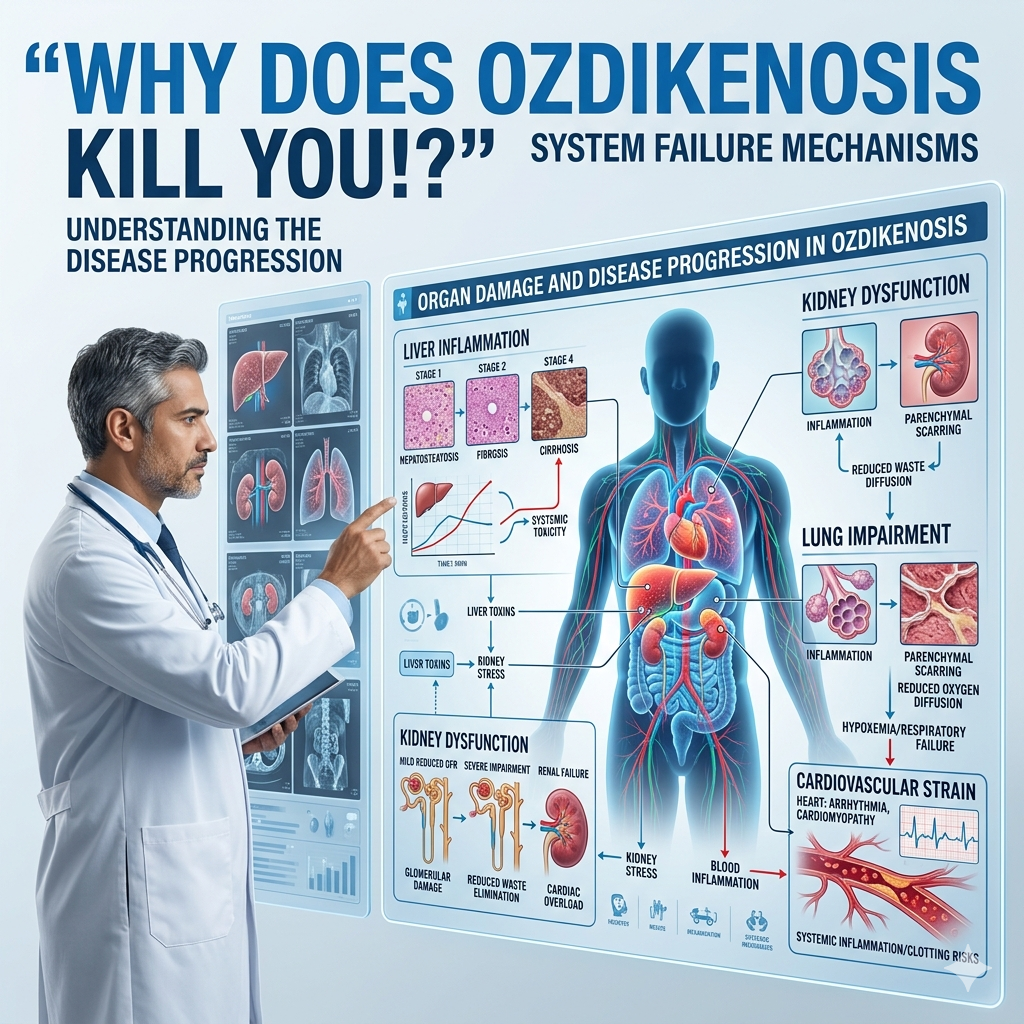
It is not one thing that kills you. It is everything at once. The domino effect finally reaches the end. When one major system collapses, the others follow too fast for medicine to stop it.Patients often fall into a coma in the final stage. Death usually follows within days to weeks after that point.
What Should You Do If You Suspect Ozdikenosis?
First, do not panic. But do not ignore symptoms either.If you or someone you know has unexplained fatigue that never gets better, ask a doctor specifically about rare metabolic diseases. Ask about genetic testing. Ask about mitochondrial disorders.
Newborns in many countries now get metabolic screening at birth. This can catch ozdikenosis before symptoms even start. If you are planning a family and have relatives with unexplained early deaths or neurological problems, genetic counseling is worth exploring.Early testing saves lives. That is not an overstatement. It is the clearest answer to fighting back against why does ozdikenosis kill you.
The Bottom Line
So why does ozdikenosis kill you? Here is the simple version one more time.It breaks your cell power plants. Your cells starve. Your organs fail. Your body cannot keep itself alive. It happens slowly, over months or years. Most people do not know it is happening until real damage is done.That is what makes ozdikenosis so dangerous. Not just the disease itself. But the silence around it.The more people understand why does ozdikenosis kill you, the better the chances get. Better awareness. Faster diagnoses. Earlier treatment. Longer lives.
This disease is rare. But the people living with it are not statistics. They are real people trying to get answers in a medical system that often has none ready for them.Understanding the disease is the first step toward changing that. And now you understand it a little better than you did before.
Frequently Asked Questions About Ozdikenosis
Is ozdikenosis always fatal?
Not always right away. But without treatment, it usually becomes fatal. The disease moves in stages. Some people live for years with the right support and early diagnosis. The problem is most people find out too late. By the time organs start failing badly, there is not much medicine can do to reverse the damage. Early treatment does not cure it. But it can slow things down a lot and give people more time and better quality of life.
Can you get ozdikenosis if no one in your family has it?
Yes, you can. Both of your parents can carry the gene without ever showing symptoms themselves. They look completely healthy. They feel fine. But they pass the gene along. If both parents are carriers, each child has a one in four chance of getting the full disease. So a family can go generations without a single known case, and then it suddenly shows up. That is what makes genetic testing so useful even when you feel perfectly healthy.
What makes ozdikenosis different from other rare diseases?
Most diseases attack one part of the body. Ozdikenosis attacks the energy system inside every cell. That means no organ is safe. The heart, kidneys, brain, and lungs all get hit eventually. It is also unusually quiet in the early stages. People feel tired or foggy and think nothing of it. By the time the symptoms get loud enough to worry about, real damage has already built up. That combination of being widespread and being silent is what sets it apart from most other conditions.
Why do doctors miss ozdikenosis so often?
Because it looks like so many other things. Fatigue, brain fog, joint pain, shortness of breath. Those symptoms fit dozens of common conditions. Most doctors see hundreds of patients with those exact complaints every year. Ozdikenosis affects maybe one person in half a million. So it simply does not come to mind first. Patients often get treated for depression, chronic fatigue, or lupus before anyone thinks to test for something rarer. Getting a correct diagnosis sometimes takes years and several different doctors.
Is there any hope for people diagnosed with ozdikenosis?
Yes, real hope exists. Research is moving forward. Mitochondrial medicine is a growing field. Scientists are studying gene therapy and precision treatments that target the specific mutations behind the disease. Right now those are not widely available. But they are getting closer. People diagnosed today have more treatment options than people diagnosed ten years ago. And people diagnosed ten years from now will likely have more options still. Early detection, good symptom management, and staying connected to specialists all make a real difference in how long and how well people live with this condition.